In the early days of e-commerce, getting a simple link between your e-commerce site and your back-office accounting system was a cause for celebration. You installed a connector, watched the first set of sales flow into your ERP, and said to yourself, “Yes, we’re integrated.” But are you? Many companies…
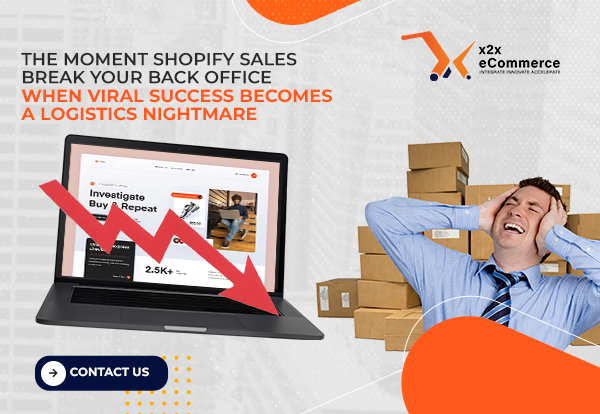
You’ve seen the graphs. You watched the dashboard. You finally did it-you cracked the code. Maybe a TikTok went viral, or an influencer gave you a shoutout, or your latest Meta ads finally hit the right algorithmic sweet spot: orders are coming in. That Shopify notification sound-undeniably the sweetest music you…
In today’s digital commerce landscape, data is everywhere but insight is rare. Shopify tells you what customers buy. Your ERP tells you what it costs, warehouse knows what’s in stock, finance team tracks profit. But when these systems operate in silos, you’re left with fragments of the truth instead of…
The efficiency of a Shopify store doesn’t depend on just great products and marketing; it depends on the seamless connection of all the moving parts behind the scenes. If your team is manually inputting orders, doing stock by hand, or reconciling your payments line by line, then you’re losing precious…
One Shopify store is already a challenge, but managing more than a few across regions, product lines, or brands feels like juggling flaming torches. For every store, you have a set of data, customers, inventory, and workflow. Without tools to help you, you will be stuck with scattered reports, non-uniform…
At face value, integrating Shopify with an enterprise resource planning system such as Microsoft Dynamics 365 Business Central seems straightforward: hook up your sales channel with your back office and let the data flow. The sad fact is that most businesses stumble: orders go missing, inventory is unreliable, and teams…
In today’s fast-moving landscape of digital commerce, having an online store is not good enough; it is all about how that store seamlessly connects with your back-end systems. The major pain point for companies using Shopify is that sales, inventory, and financial data are segmented across disconnected platforms. And that’s…
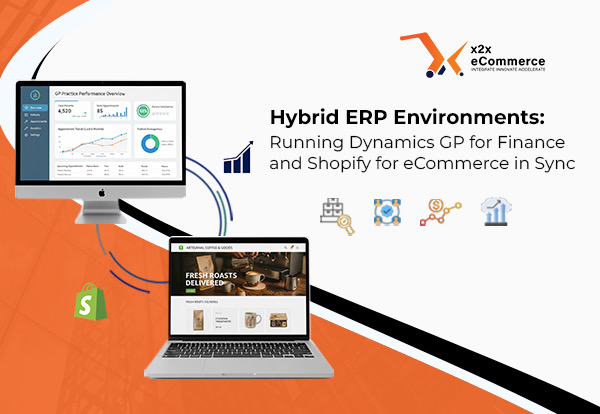
In the fast-paced business environment of business in the information age, not all business companies are designed or need to be entirely to move to a new ERP platform. Most mid-sized companies retain Microsoft Dynamics GP (Great Plains) as their financials management system and add Shopify as their new eCommerce…
When connecting Shopify and Microsoft Dynamics 365 Business Central, businesses usually have a decision: utilize the native Microsoft connector or pay for a third-party integration app. Although third-party software can provide extra flexibility, most businesses underestimate the benefits of the native connector. Following are five good reasons to first look at…
Having an e-commerce business on Shopify and a business on Microsoft Dynamics 365 Business Central is such a winning combination until you realize how much time and effort is wasted manually connecting the facts. Most companies start out by downloading reports, updating spreadsheets, and manually re-keying sales orders or inventory…