Most ERP and ecommerce integration solutions only address the basic needs related to products, customers, pricing, and orders. Retailers understand the fact that the complexities associated with ecommerce exist beyond what a basic integration process entails. It’s here that the GP–Shopify Integration offered by x2x. Unlike the bolt-on connectors, x2x is an…
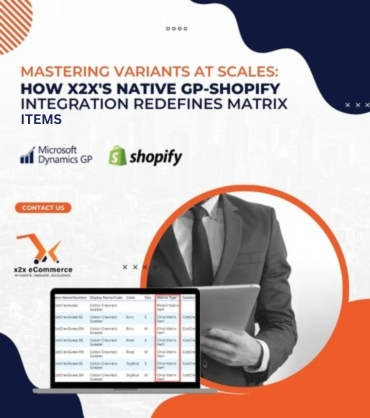
“If you are in the business of selling matrix items that have sizes, colors, styles, or configurations, you already know the truth:” Where the breakdown in integration tends to happen is in the matrix items. Variants have generally been considered an afterthought by most GP Shopify integrations. ERPs flattened, SKUs replicated, or…
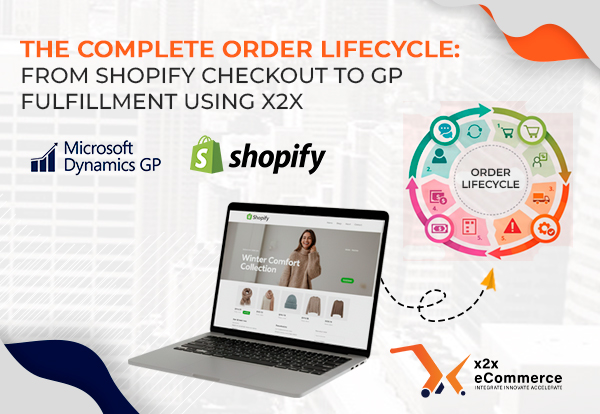
Specifically, for today’s retail businesses, providing a smooth customer experience represents more about perfecting the back-end process. It begins with the customer’s click on ‘Checkout’ within Shopify and continues all the way through shipping and invoicing an order within Microsoft Dynamics GP. All these steps would be perfectly efficient if there…
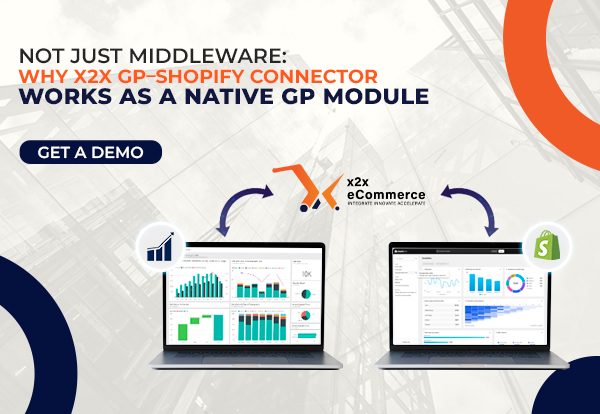
Typically, most eCommerce integrations use middleware. Middleware here refers to third-party applications that act as an interface between an instance of Shopify and an ERP. Data moves from and to these third-party systems. Although middleware works well, it presents some challenges: Those using Microsoft Dynamics GP could be given something…
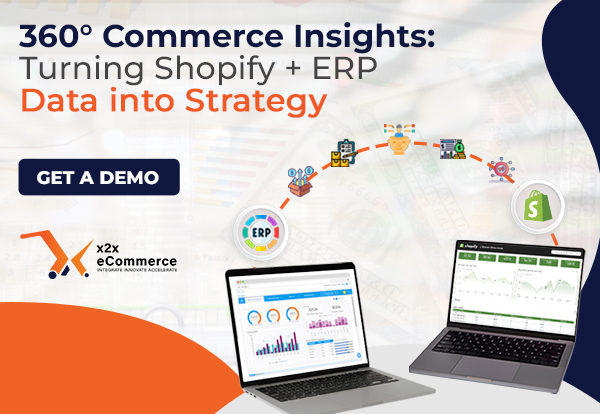
In today’s digital commerce landscape, data is everywhere but insight is rare. Shopify tells you what customers buy. Your ERP tells you what it costs, warehouse knows what’s in stock, finance team tracks profit. But when these systems operate in silos, you’re left with fragments of the truth instead of…
Things can get complicated fast in multi-store retail. Each location has its own sales, stock movements, returns, cash reports, and inventory adjustments. All the finances need to be rolled up into one centralized accounting hub-usually QuickBooks. Unfortunately, most still use a manual process to transfer the data from RMH into QuickBooks,…
Running a retail operation involves lots of moving pieces: POS transactions, inventory movements, cost of goods sold (COGS), customer returns, transfers between stores -and then making sure it all lands accurately in your accounting system. This all too frequently turns into a very manual, time-consuming process with many potential errors.…
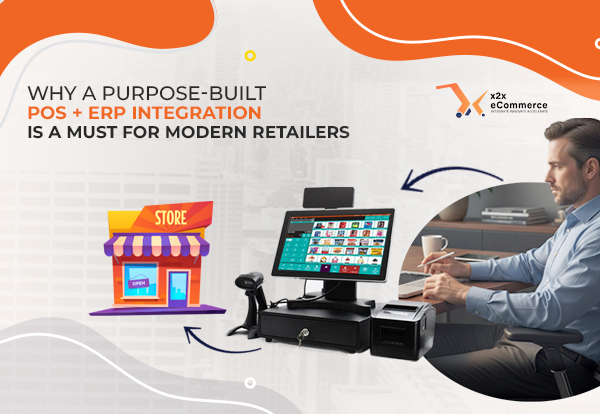
Retail has changed. Customers no longer shop in one place, on one channel, at one time. They browse online, buy in-store, return through another channel, and expect everything to be perfectly connected. But for so many retailers, their POS system and their ERP system operate like two different worlds: two…
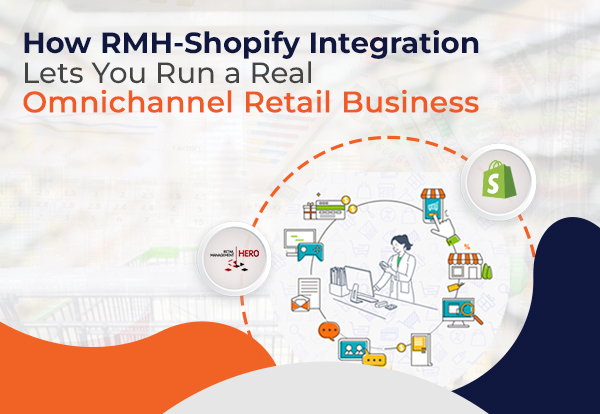
In today’s retail world, customers want a seamless experience-whether they are shopping online via Shopify or walking into your store using a Retail Management Hero point-of-sale system. Still, keeping both sides in sync is easier said than done. When inventory, pricing, and orders live in separate systems, your team does…
Inventory is the lifeblood of any retail or eCommerce business. But as demand increasingly becomes unpredictable and customer expectations skyrocket, classic ways of approaching inventory planning-through spreadsheets, manual forecasts, and gut feeling-are no longer good enough. The successful merchant in 2026 and beyond will be the one who can predict…